Green stormwater infrastructure is designed to mimic natural systems of water management that we may find in our natural environments. Stormwater can be captured and treated using vegetation and soil without the need for large construction projects. Additionally, the use of more vegetation can increase the infiltration rates of urbanized areas. Some types of green stormwater management systems are:
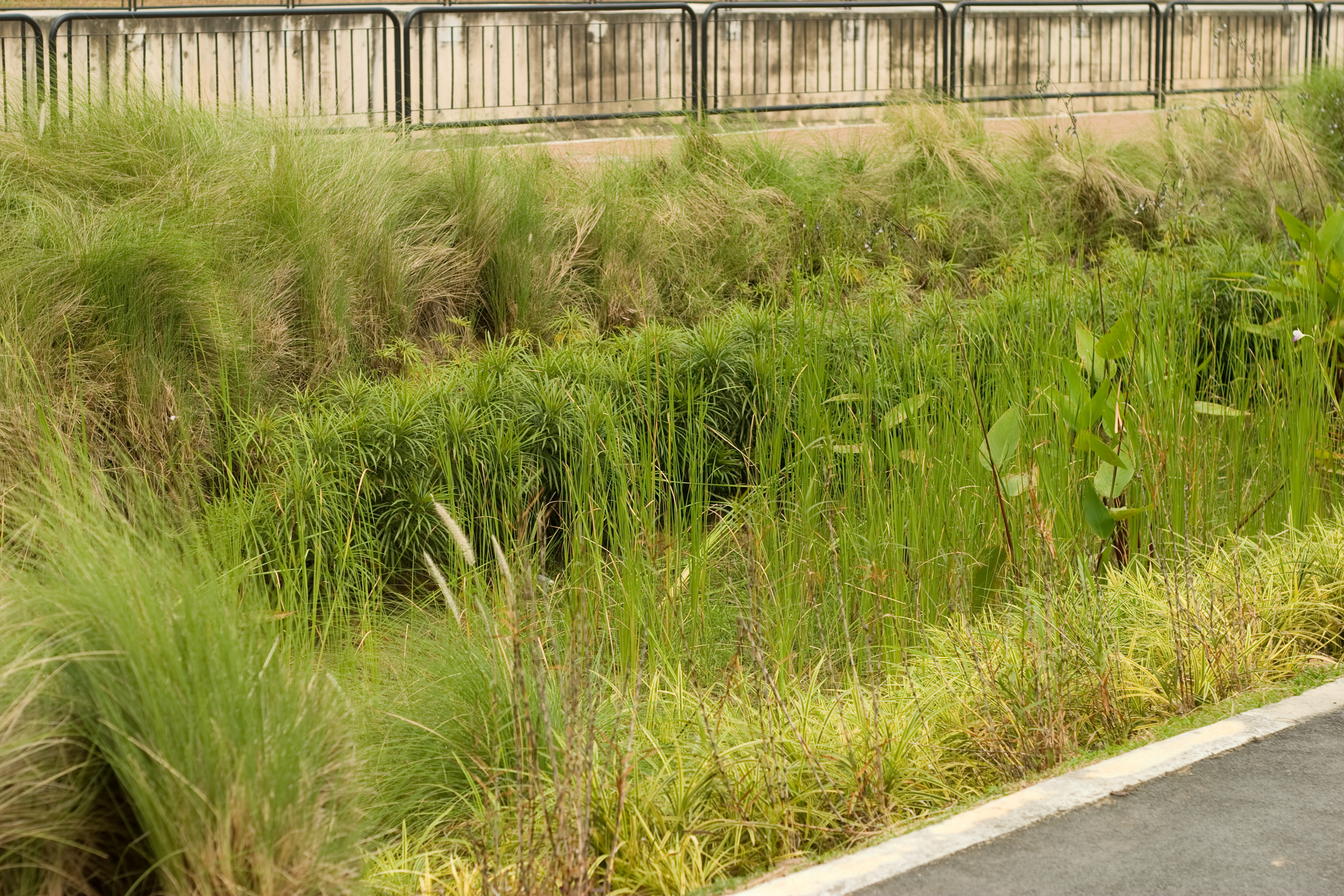
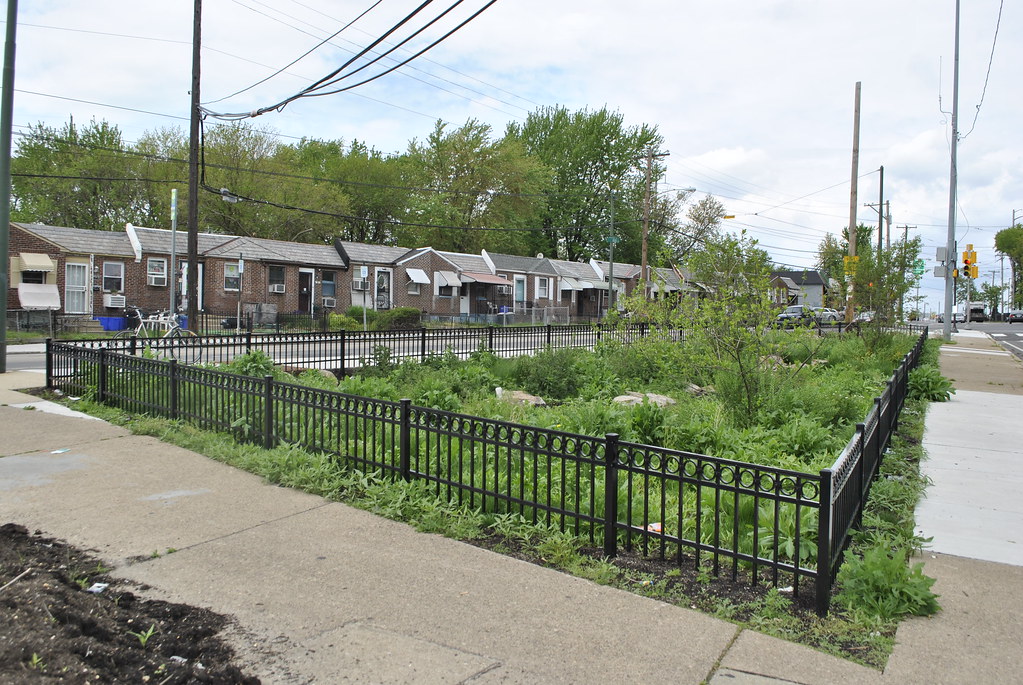
- Rain gardens - Gardens designed to absorb and hold rainwater with a ground depression. Vegetation is planted to increase the rates of infiltration and filter out potentially toxic stormwater. These gardens can also serve as a habitat for wildlife. Some considerations are taken into account when creating a rain garden, such as how much water needs to be captured, how much space is available, soil type, and sun exposure.
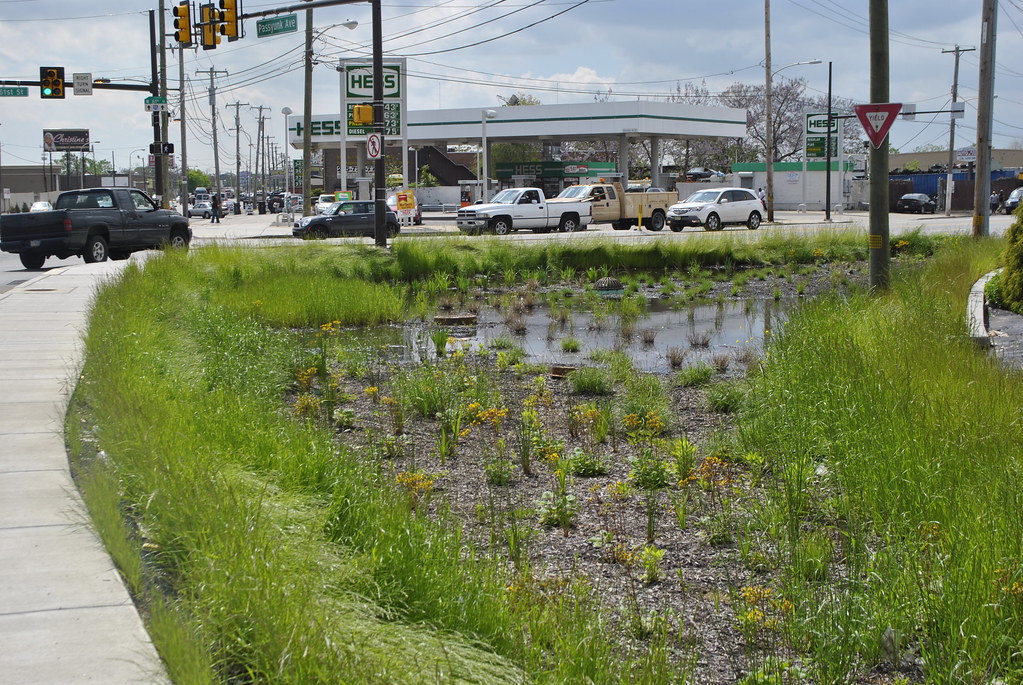
- Bioretention gardens - Similar to but often larger than rain gardens, this type of green infrastructure is used to help filter stormwater in high pollution areas before entering storm drains or watersheds. Bioretention gardens will often include a pond to collect stormwater filtered by vegetation on the pond’s outskirts. These gardens also tend to include more engineering than a rain garden, specifically to include overflow inlets, underdrains, and gravel beds to increase infiltration.
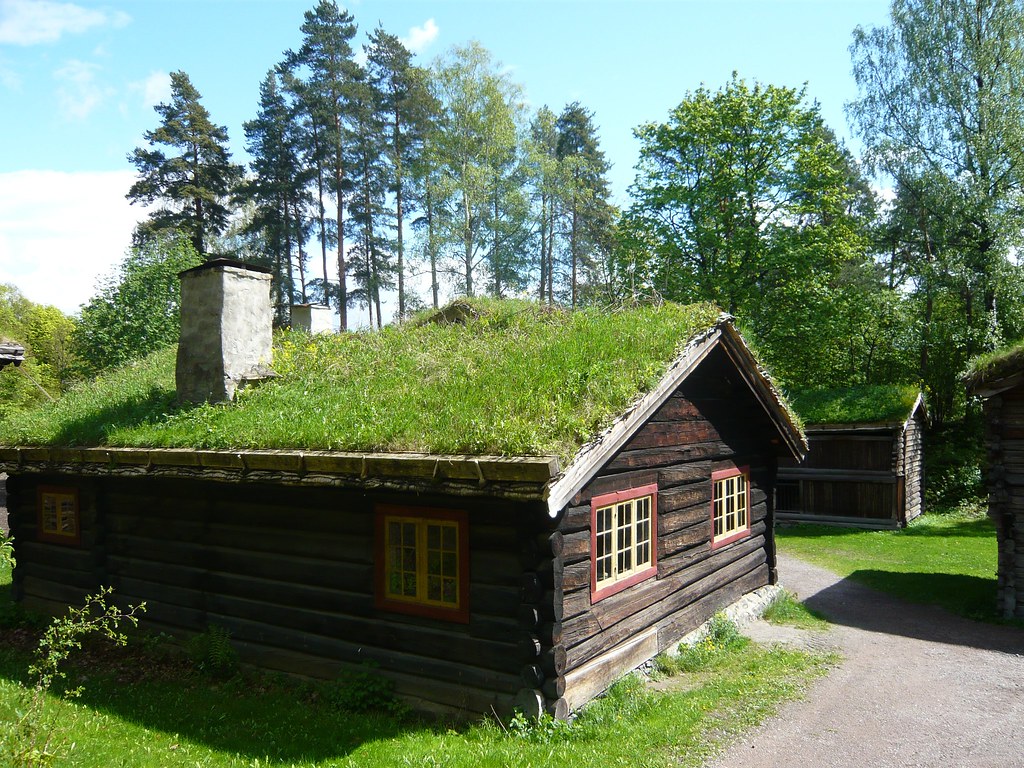
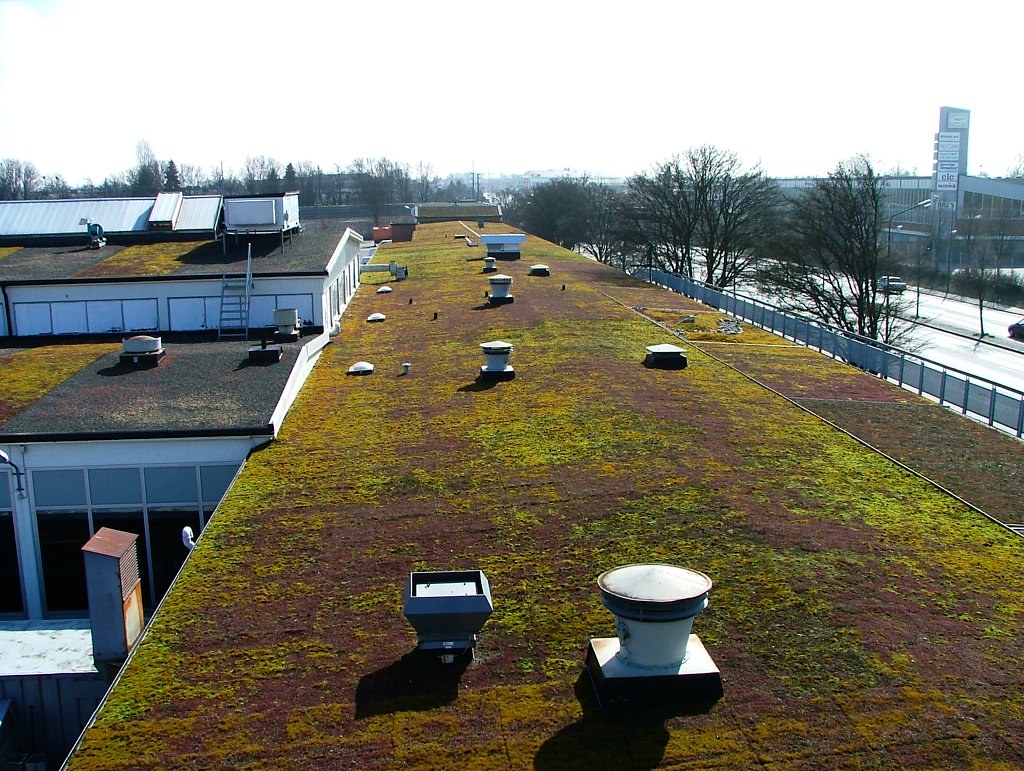
- Green Roofs - Growing vegetation on the roofs of buildings to slow the velocity of water flowing off the roof into the ground or stormwater management systems. Green roofs also promote more biodiversity in urban areas, and help improve air quality. Similar to the other types of green infrastructure we are discussing, green roofs also filter stormwater before entering other water management systems. Green roofs are also great insulators, reducing heating and cooling needs for a building.
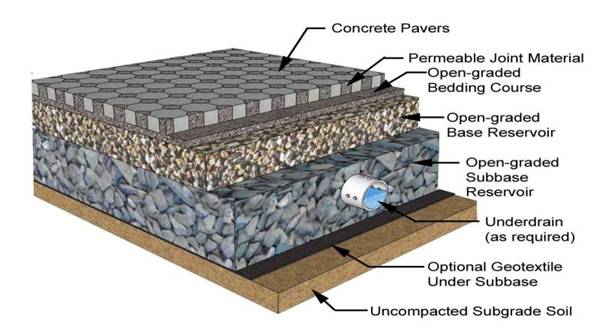
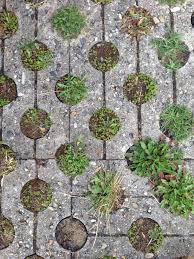
- Permeable pavement - pavement that allows water to pass through into the soil below rather than into storm drains. This can be done with pavers or porous asphalt and greatly reduces surface flooding on streets. You can find examples of permeable pavement in some driveways, parking areas, and footpaths.
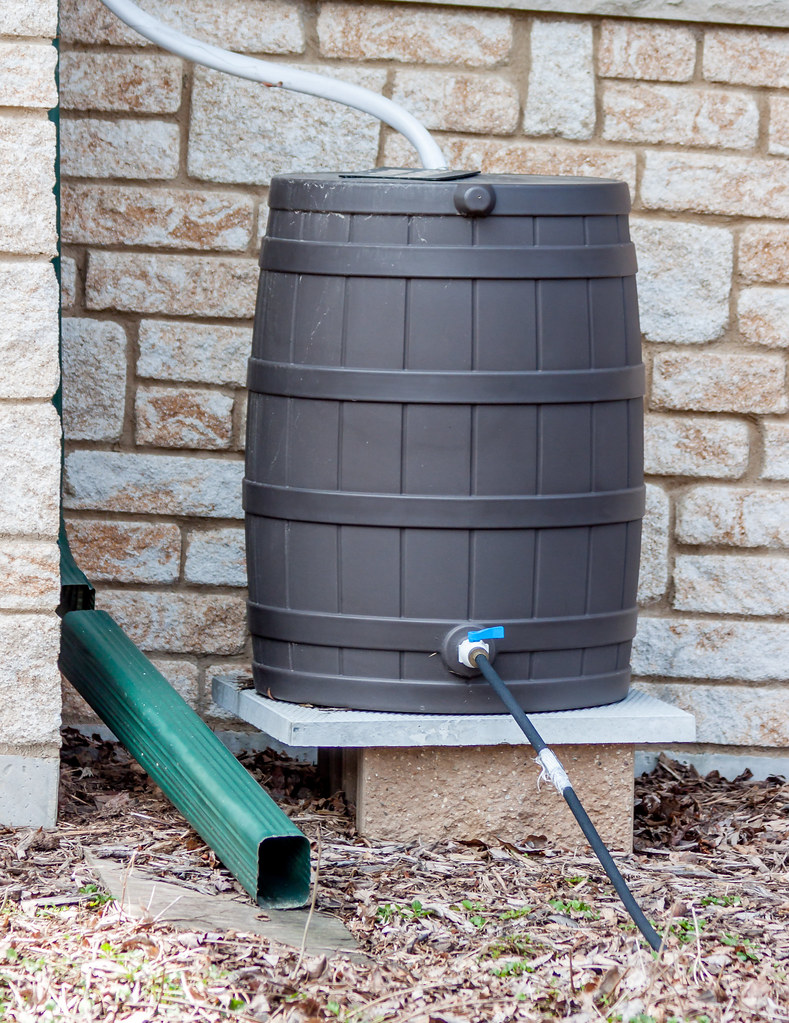
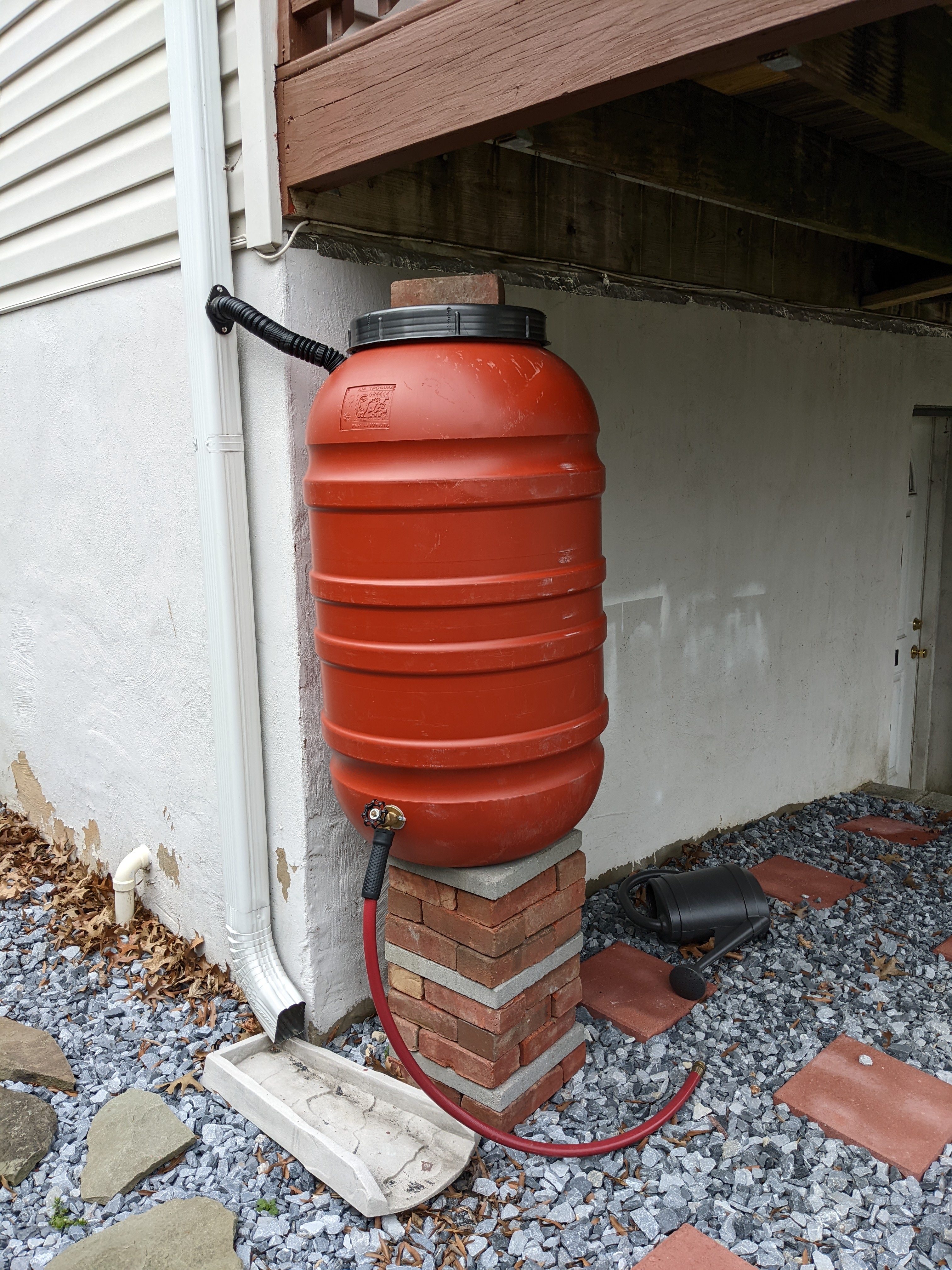
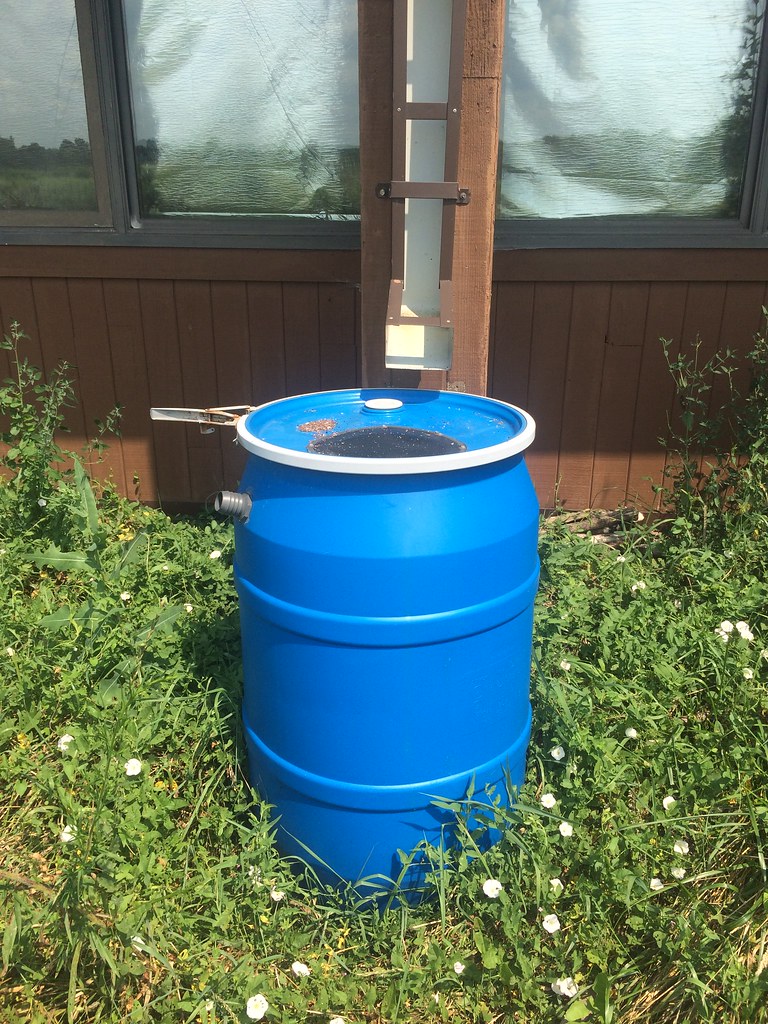
- Rain Barrels - Containers that collect rainwater from gutter systems. The container or barrel slows the velocity of water entering the soil or stormwater management systems. Additionally, the water can be used for non–potable uses such as irrigation for lawns and gardens.